
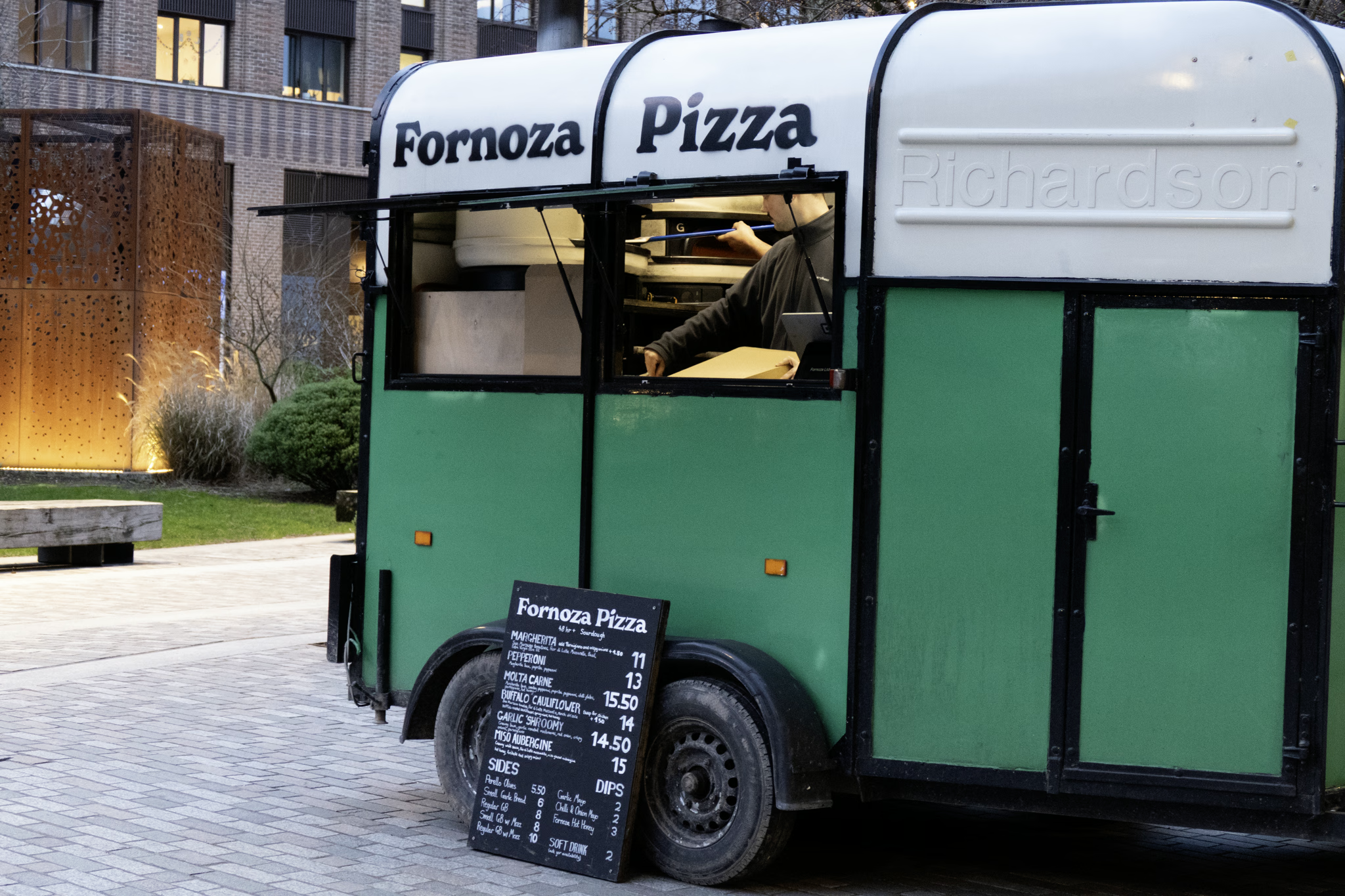
Our 48-Hour Sourdough Process
Time is an ingredient
Sourdough is not a buzzword for us — it is the backbone of our base. After mixing, we cold-ferment for at least 48 hours. That slow rise gives enzymes time to break down starches, develop acidity, and build the complex flavours you cannot get from a same-day dough.
Cold fermentation also tightens gluten structure without making the crumb tough. You get stretch in the slice, chew in the crust, and enough strength to handle toppings without going cardboard-thin or bready-thick.
Digestibility and texture
Many guests tell us our pizza feels lighter than they expected. Part of that is fermentation: long proofing can make wheat easier to tolerate for people who struggle with heavy, yeasty fast doughs. We are not a gluten-free kitchen — flour is everywhere — but we care about how the meal lands.
Leopard spotting on the cornicione comes from heat meeting a well-developed skin on the dough. That contrast — blistered outside, open crumb inside — is what we chase on every bake.
How it shows up on the plate
At 400°C and ~90 seconds, the margin between great and burnt is tiny. A predictable dough — consistent hydration, fermentation, and shape — is what makes service repeatable when the queue is fifty people deep.
If you are searching for sourdough pizza in Berkshire, Oxfordshire or Reading, look beyond the word on the menu: ask how long dough rests and whether it is mixed fresh in batches. We are proud to show our process because it is the reason our pizza tastes like Fornoza.